Best Shoes for Plantar Fasciitis in Australia (What Actually Helps)
If you’ve ever stepped out of bed with that sharp, stabbing heel pain, you know how frustrating plantar fasciitis can be. Plantar fasciitis is one of the most common causes of foot pain in Australia – especially for people who spend long hours on their feet, walk frequently, or wear unsupportive shoes.
The right shoes won’t “cure” plantar fasciitis, but they can significantly reduce pain, improve comfort, and help prevent flare-ups.
Here’s everything you need to know about plantar fasciitis and how the right shoes can help – plus, which ComfySole styles are perfect for you.
What Is Plantar Fasciitis?
Plantar fasciitis occurs when the plantar fascia becomes inflamed.
The plantar fascia is a strong, thick band of tissue connecting your heel bone to your toes, supporting the foot's arch and acting as a shock absorber.
It’s commonly caused by:
- Poor arch support
- Walking or standing for long periods
- Flat feet or high arches
- Thin or unsupportive soles
- Wearing worn-out shoes
Common symptoms include:
- Sharp heel pain, especially in the morning
- Pain after long periods of standing
- Discomfort that improves slightly with movement but worsens later
Can Shoes Help with Plantar Fasciitis?
Yes – the right shoes can make a noticeable difference.
Supportive footwear helps by:
- Reducing strain on the plantar fascia
- Absorbing impact during walking
- Supporting natural foot alignment
- Distributing pressure more evenly
On the other hand, flat, flimsy or overly soft shoes can make symptoms worse, even if they feel comfortable at first.
What to Look for in Shoes for Plantar Fasciitis
When shopping for plantar fasciitis-friendly shoes, focus on support, not just softness.
1. Proper Arch Support
Good arch support helps reduce tension on the plantar fascia and supports your foot’s natural shape.
2. Cushioned but Stable Soles
Cushioning should absorb shock, but the sole should still feel stable — not spongy or collapsing under pressure.
3. Firm Heel Support
A structured heel cup helps stabilise the foot and reduces heel impact, which is key for heel pain.
4. Removable Insoles
This allows you to use custom orthotics if recommended by a podiatrist.
5. Lightweight Design
Heavy shoes can increase fatigue and strain over long days.
Are Walking Shoes Better Than Sneakers?
For plantar fasciitis, walking shoes are often better than casual sneakers because they’re designed for:
- Repetitive impact
- Long wear
- Foot alignment and support
That said, a supportive sneaker can work – as long as it meets the criteria above.
ComfySole Shoes That Support Plantar Fasciitis
At ComfySole, every shoe is designed with all-day comfort in mind. Here are some of our top picks:
-
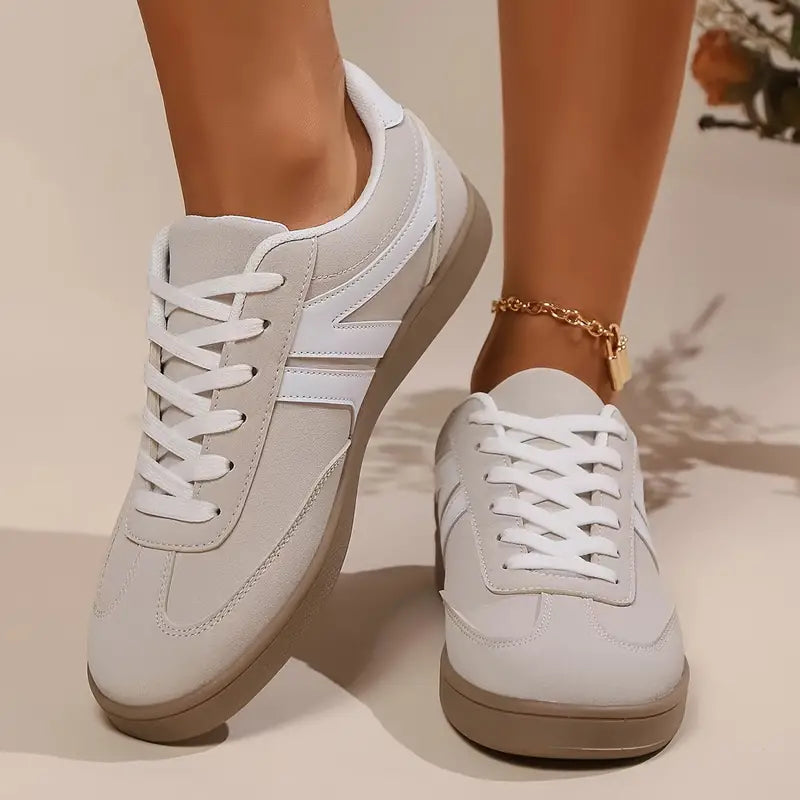
Our #1 Best Seller – ComfySole Women’s Support Shoe – Lightweight, cushioned, supportive and perfect for all-day wear.
-
ComfySole Women’s Walking Sneakers – Designed for light walking, cushioned and features removable insoles making it orthotic-friendly.
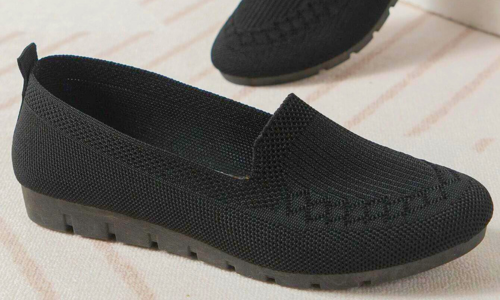
- Carly Comfort Women's Shoe – For everyday comfort, lightweight, flexible and suitable for normal to wide feet.
These shoes combine arch support, cushioned midsoles, and stable heels, giving your feet the care they deserve.
Other Ways to Manage Plantar Fasciitis
Shoes are important, but they work best alongside:
- Gentle foot stretching
- Avoiding worn-out footwear
- Limiting time in flat or unsupportive shoes
- Consulting a podiatrist if pain persists
Final Thoughts
If you’re dealing with plantar fasciitis, choosing the right shoes is one of the most effective steps you can take toward daily comfort.
Look for shoes that prioritise support, stability and impact absorption. With the right footwear, many people find they can walk, stand and move more comfortably throughout the day.